The right Pilates exercise for the client in front of you.
Ask mid-session. Get an exercise, why it suits them, and what to watch for, starting from your own library.
Every suggestion, drawn and mapped on the body
Each exercise comes with a drawing of the setup and the muscles it mainly works, stretches or holds steady, lit on a 3D body you can turn. Both are the assistant's own, labeled that way, and describe effort in today's exercise, never a diagnosis.

Loading the body…
Drag to turn · Click a muscle to name it
- Works: Latissimus dorsi, Triceps, Rhomboids, Middle trapezius
- Stabilises: Erector spinae
Adult male reference anatomy. Z-Anatomy, BodyParts3D, CC BY-SA 4.0.
A Pilates teaching assistant you can use between exercises
- 01
Choose the client
Their goals, notes and conditions come with the question, so you don't retype them mid-session.
- 02
Ask in your own words
“What can replace kneeling arms today?” If it needs more to go on, it asks one round of short questions first.
- 03
Teach the suggestion
Up to three exercises, each with why it suits this client, springs and reps on apparatus, and what to watch for.
Pilates exercise suggestions that start from your own library
It searches your exercises first and shows yours exactly as you stored them. When nothing fits, it proposes one from the wider repertoire and labels it as its own.
How suggestions are chosenSpring settings, reps and what to watch for, on every apparatus
Mat, reformer, Cadillac, chair and barrel. Apparatus suggestions come with a starting spring and rep range to adjust for your equipment, and every one says what to watch for.
For reformer and apparatus instructorsClient notes and conditions that shape every answer
Pick the client, and their goals, notes and the rules you wrote for their conditions go with the question. It applies your rules; it doesn't diagnose or suggest treatment.
For instructors of clients with injuriesBuild your Pilates exercise library as you teach
A new account answers from the first question. “Add to my library” turns a suggestion into a filled-in exercise form; nothing is saved until you save it.
Browse exercise alternativesCheck the setup at a glance
The drawing shows where the exercise starts and where it goes, so you can check the position without rereading the card. Like the Pulling Straps above, it's drawn for the suggestion and labeled as the assistant's, not yours.
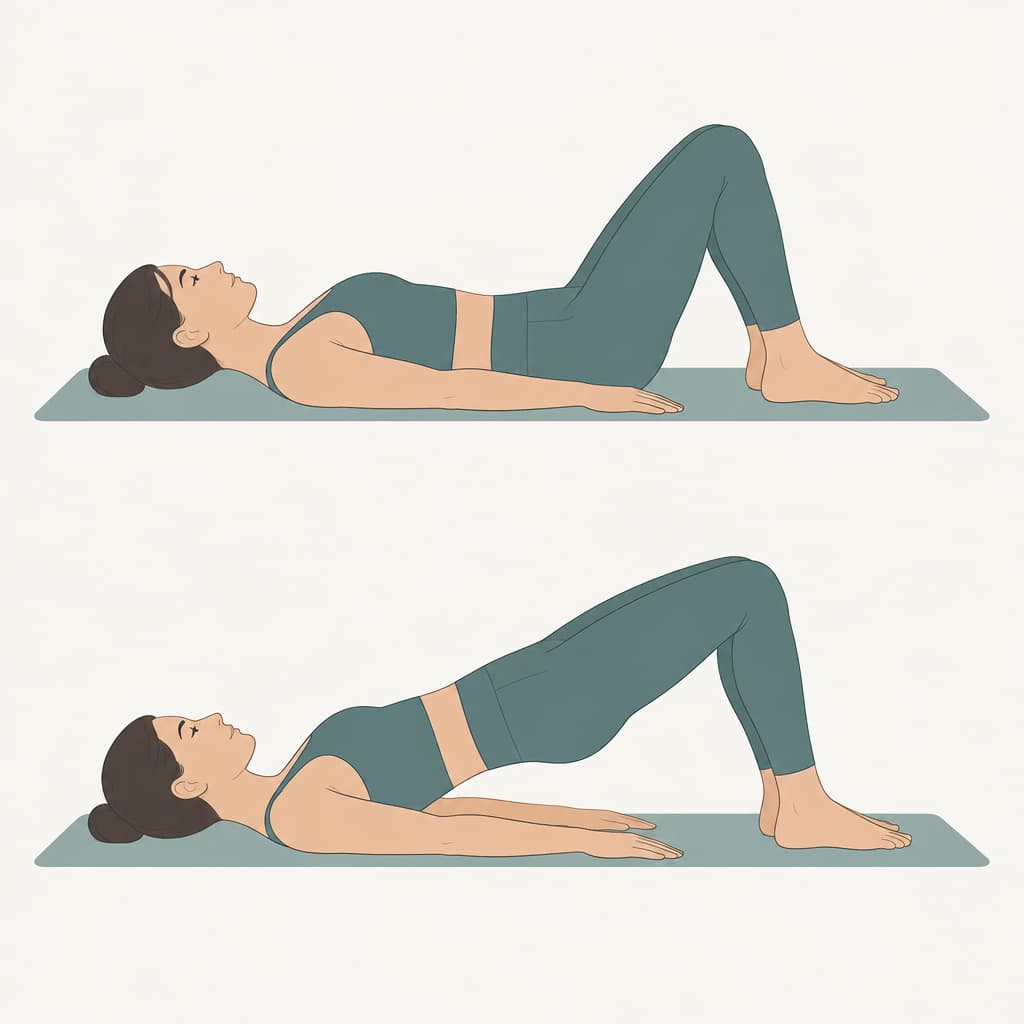
Made for the studio floor
Muscles across past answers
On a client's page, one body shows which muscles their past answers came back to most.
History on each client's page
Every question asked about a client stays on their page, with the answers exactly as they were shown.
Pick up a conversation
Recent conversations are one tap away. Switch client and a new one starts, so notes never cross over.
Private to your account
Clients, notes and your library are yours alone, isolated from every other teacher's in the database.
Today's session, not a program
It helps with the client in front of you now. Planning classes and longer arcs stays with you.
Free in early access
Invite only for now: join the waitlist and ask your first question once you're in. No library to build first, and no card needed.
Common swaps
When a client can't do the exercise you planned: what it was for, and options that keep that work.
- Alternatives to the Hundred in Pilates
- Reformer alternatives to kneeling exercises
- Pilates alternatives to prone exercises
- Alternatives to Rolling Like a Ball
- Alternatives to the Roll Up in Pilates
- Alternatives to the Teaser in Pilates
- Alternatives to the Saw in Pilates
- Alternatives to Footwork on the Reformer
- Alternatives to the Short Box Series
Questions
What is Syllene?
A companion for Pilates instructors, for when the exercise you planned doesn't suit the client in front of you. You ask mid-session, and it suggests up to three exercises, each with why it suits them and what to watch for, starting from your own exercise library. It works on the mat, reformer, Cadillac, chair and barrel.
Is this medical advice?
No. It suggests Pilates exercises and says what to watch for. It doesn't name causes, diagnose, or recommend treatment. You're the professional in the room, and whether an exercise is right for your client is your call.
Where do the suggestions come from?
Your own exercise library first. If nothing there fits, the assistant proposes an exercise from the wider Pilates repertoire. Every suggestion is labeled: “From your library” or “The assistant's own”, so you always know which is which.
Do I have to build a library before I can use it?
No. A new account starts empty and the assistant answers from the first question. Add exercises, conditions and your own rules whenever you like. They go straight into the answers from then on.
Does it plan classes or programs?
No. It helps with the session you're teaching today: an exercise, why it suits this client, and what to watch for. If you want a longer arc for a client, you plan it yourself.
Which apparatus does it cover?
Mat, reformer, Cadillac, chair and barrel. On apparatus it gives a starting spring setting and a rep range.
Who can see my clients?
Only you. Clients, notes and your library belong to your account and are isolated from every other teacher's by row-level security in the database.
What does it cost?
It's free while Syllene is in early access. Accounts are invite only for now: join the waitlist, no card needed. If paid plans come later, you'll be told before anything changes.
How is it different from asking ChatGPT?
Its answers also come from an OpenAI model, but it searches your own library first and labels what's yours, sends each client's notes and your rules with the question so you don't retype them, answers in the same short shape every time, and keeps the history on each client's page. It doesn't plan classes; ChatGPT will.